
How to Dispose of a Hot Water Heater in Florida
How to Dispose of a Hot Water Heater in Florida
Disposing of a hot water heater means completely draining the tank, safely disconnecting all energy and water lines, and delivering the unit to an approved recycling facility, scrap yard, or licensed hauler. This process, formally called appliance disposal or bulk item removal, protects your home from water damage, keeps you on the right side of Florida’s local waste regulations, and prevents usable metals from ending up in a landfill. Water heaters contain recyclable metals including steel, copper, aluminum, and brass, all of which carry real scrap value. Getting the process right from the start saves you time, money, and a potential fine.
How to dispose of a hot water heater: what you need first
Before you touch a single pipe, gather the right tools and shut everything down. Skipping this step is how homeowners end up with flooded utility rooms or gas leaks.
Tools and supplies you need:
-
Garden hose (long enough to reach a floor drain or exterior)
-
Adjustable wrench and pipe wrench
-
Flathead and Phillips screwdrivers
-
Appliance dolly with straps
-
Work gloves and safety glasses
-
Teflon tape and a bucket for residual water
-
Voltage tester (for electric units)
Safety steps before you start:
-
Electric units: Switch off the dedicated circuit breaker and confirm power is dead with a voltage tester before touching any wiring.
-
Gas units: Turn the gas valve to the “pilot” or “off” position. Never skip this. A gas leak during disconnection is a serious hazard.
-
Shut off the cold water supply valve at the top of the heater.
-
Open a hot water faucet somewhere in the house to relieve pressure in the lines.
Pro Tip: Let the tank cool for at least two hours before draining. Hot water under pressure can cause burns and makes the hose connection harder to manage safely.
Older units from the pre-1980s era may contain asbestos insulation or lead solder. If your heater predates 1980, use a licensed facility rather than attempting DIY disassembly. Breaking apart older units without proper equipment poses real health risks.
Step-by-step guide to disconnecting and draining your old heater
Follow these steps in order. Each one builds on the last, and skipping ahead creates safety problems.
-
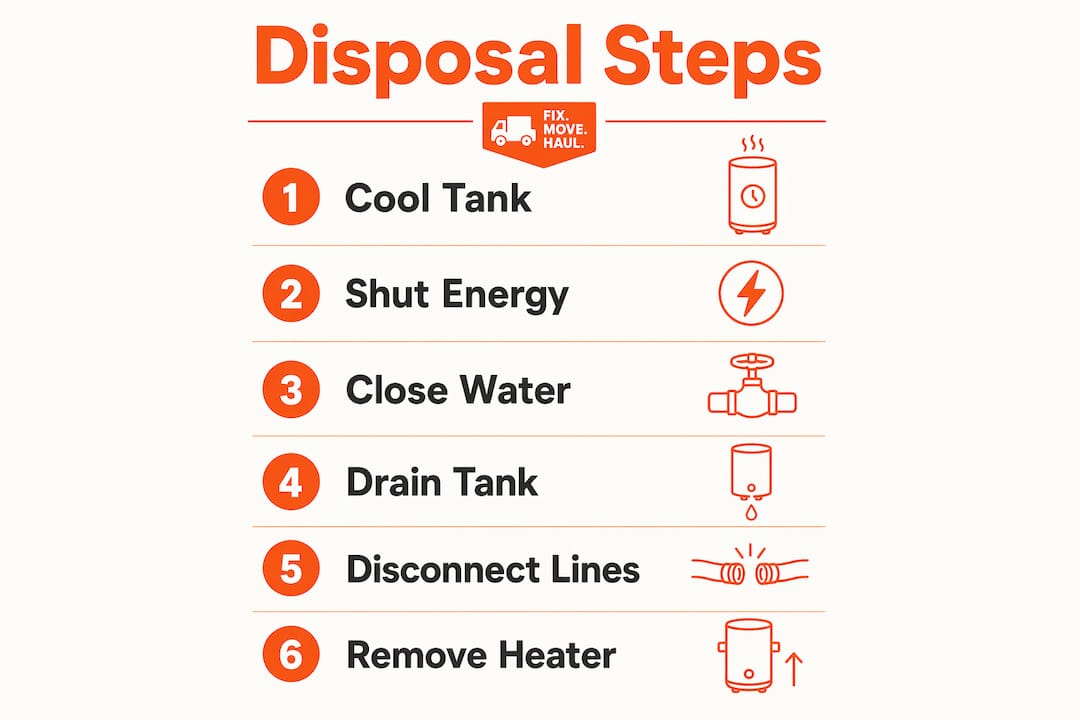
Shut off the energy source. For electric heaters, flip the breaker. For gas heaters, turn the gas valve to “off” and wait five minutes before proceeding.
-
Close the cold water supply valve. This is typically the valve on the cold water inlet pipe at the top of the tank.
-
Open a hot water tap in the house. This breaks the vacuum inside the tank and lets water drain freely.
-
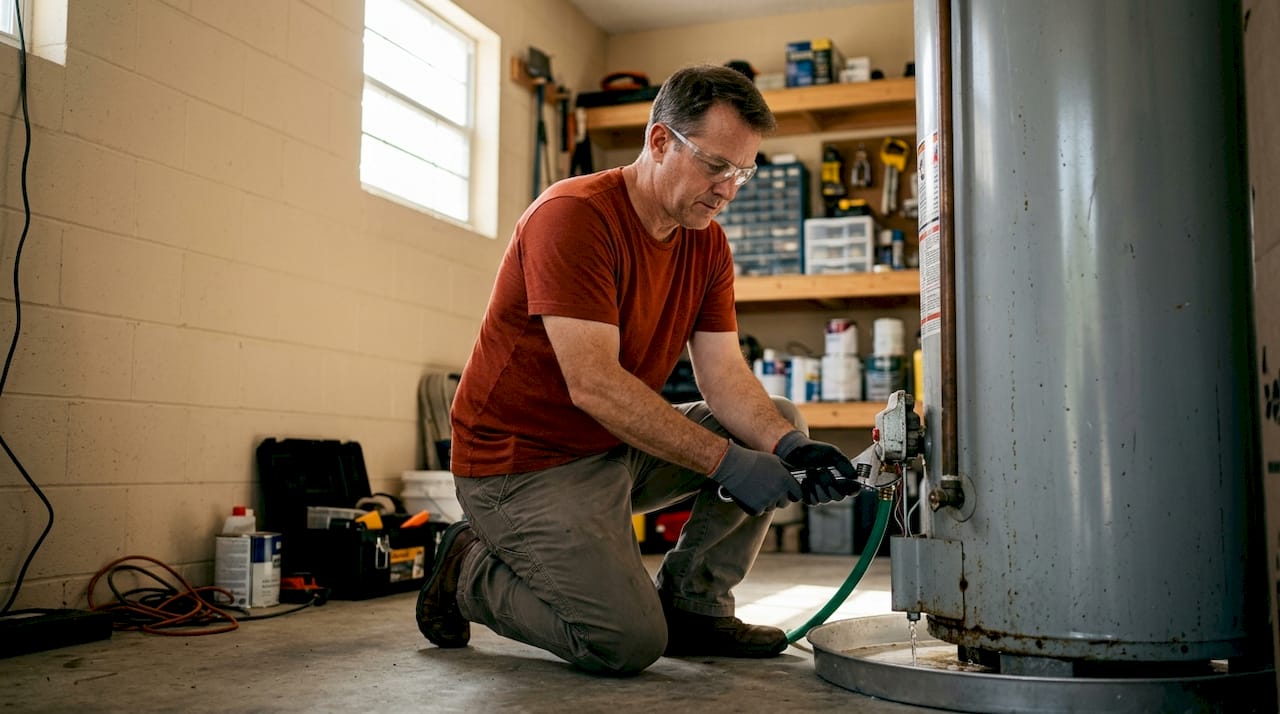
Connect a garden hose to the drain valve. The drain valve sits near the bottom of the tank. Run the hose to a floor drain, utility sink, or outside your home.
-
Open the drain valve. Water will begin flowing out. A standard 50-gallon tank takes 15–30 minutes to drain fully. That time drops if you open the pressure relief valve slightly to speed airflow.
-
Disconnect the plumbing connections. Use a pipe wrench to loosen the hot and cold water line connections at the top of the tank. Have a bucket ready for residual water.
-
Disconnect the energy connections. For electric units, remove the access panel and disconnect the wiring after confirming power is off. For gas units, disconnect the gas flex line at the union fitting.
-
Cap or plug open pipes. This prevents debris from entering your plumbing while the new unit is being installed.
-
Move the unit with an appliance dolly. Strap the heater securely before tilting it. Even a drained tank is heavy.
Pro Tip: Never try to carry a water heater alone. The bulk and weight of even an empty tank make solo transport a back injury waiting to happen. Use a dolly and get a second person to help.
Getting the heater out of a tight utility closet or down stairs is often the hardest part of the whole job. Plan your exit route before you start disconnecting anything.
What are your options for disposing of an old water heater responsibly?
Once the unit is out of your home, you have four realistic paths for hot water tank disposal. Each has different costs, effort levels, and environmental outcomes.
Scrap metal recycling yards
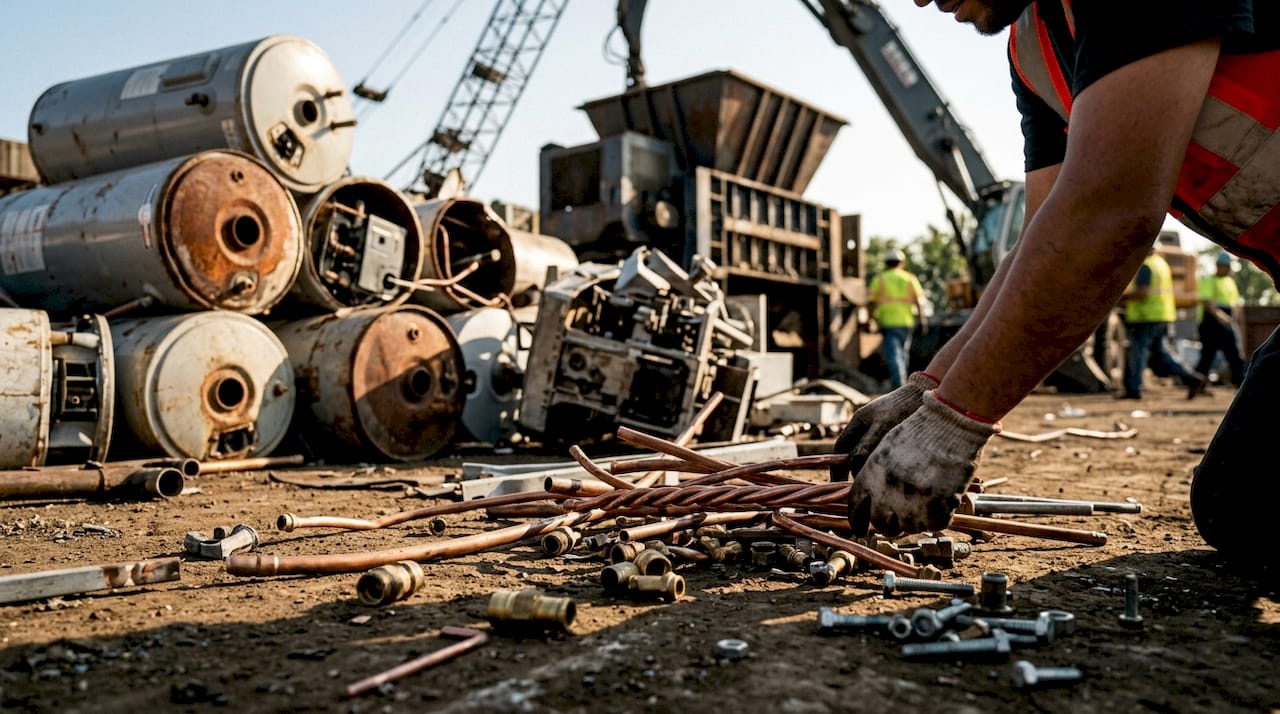
Scrap yards accept water heaters because the steel shell, copper pipes, and brass fittings all have market value. Recyclable metals like steel, copper, aluminum, and brass can earn you $10–$30 depending on current market prices and the weight of your unit. Call ahead before you go. Some yards charge a drop-off fee, others pay you by weight, and a few require you to strip the unit before they accept it.
Municipal bulk waste programs
Many Florida counties offer bulk waste pickup or drop-off at transfer stations. Municipal fees typically run $10–$30 for appliances at waste transfer stations. The catch is that curbside bulky waste pickup often sends water heaters straight to a landfill rather than a recycler. If environmental responsibility matters to you, confirm with your county waste authority that the unit will actually be recycled, not buried.
Retailer haul-away programs
Home improvement retailers like Home Depot and Lowe’s offer haul-away services when delivering a new water heater. The disposal cost is typically bundled into the purchase price. This option is convenient but requires you to buy a replacement unit through that retailer.
Professional removal services
Professional pickup handles the heavy lifting, transportation, and proper disposal for you. Professional pickup services often include haul-away at little or no extra charge when combined with a new installation, with typical costs ranging from $0–$50. The installer keeps the scrap metal value, which offsets their labor. For homeowners who want the unit gone without renting a truck or risking injury, this is the most practical route.
Common mistakes homeowners make when getting rid of a water heater
Most disposal problems come from assumptions. Homeowners assume curbside pickup recycles the unit, assume the scrap yard will take it as-is, or assume they can move it alone. All three assumptions regularly cause problems.
The most common mistakes:
-
Not calling the local waste authority first. Rules and costs vary significantly between Florida counties and municipalities. Calling ahead takes five minutes and can save you a wasted trip or an unexpected fee.
-
Assuming curbside pickup means recycling. Verifying whether local curbside programs actually recycle appliances is the only way to confirm environmental responsibility. Many programs simply landfill them.
-
Trying to move the unit without proper equipment. A full or partially drained tank can weigh well over 100 pounds. Without an appliance dolly and a second person, you risk injury and property damage.
-
Stripping parts the scrap yard needs intact. Some yards want the full unit. Others want specific components removed. Confirm before you disassemble anything.
-
Missing appointment requirements. Some Florida county programs require a scheduled pickup window, not just a curbside drop. Showing up unannounced can mean the unit sits outside for weeks.
“Many homeowners waste time and money by not contacting local waste authorities before disposal. Rules and costs vary significantly, and a single phone call prevents most of the common headaches.”
The pattern is consistent: the homeowners who have the smoothest disposal experience are the ones who made two phone calls before moving anything.
How to choose a professional removal or haul-away service
Professional removal is the right call when you lack a truck, a dolly, or a second person to help. It is also the right call when you want to confirm the unit goes to a recycler rather than a landfill.
What to look for when evaluating a service:
-
Transparent pricing. Ask for a flat rate upfront. Reputable services do not add surprise fees after the job.
-
Recycling confirmation. Ask specifically where the unit goes. A good service can name the facility or recycler they use.
-
Bundled installation deals. If you are having a new heater installed, negotiate haul-away as part of the contract. Plumbers and installers often keep the scrap metal value, which covers their removal cost.
-
Same-day or scheduled availability. In Southwest Florida, the heat makes a non-functional water heater an urgent problem. Prioritize services that offer same-day or next-day scheduling.
-
Local knowledge. A service familiar with Collier County, Lee County, or Naples area regulations will handle disposal paperwork and drop-off requirements without you having to manage it.
The recyclability of water heaters is high, but transport logistics make DIY disposal genuinely difficult. That gap is exactly where professional haul-away services earn their value.
Key Takeaways
Responsible disposal of an old water heater requires draining the tank completely, choosing a recycling-focused disposal method, and confirming local rules before you move the unit.
| Point | Details |
|---|---|
| Drain before moving | A standard 50-gallon tank takes 15–30 minutes to drain and must be empty before transport. |
| Recycling pays | Steel, copper, and brass components carry $10–$30 in scrap value at most metal yards. |
| Call local authorities first | Florida county rules on fees and pickup appointments vary widely; one call prevents wasted trips. |
| Curbside does not mean recycled | Confirm with your municipality that bulk pickup sends appliances to a recycler, not a landfill. |
| Professional removal saves effort | Bundling haul-away with a new installation often costs $0–$50 and removes all logistics from your plate. |
Why I think most homeowners wait too long to plan disposal
Most people start thinking about water heater disposal the day the new unit arrives. That is the wrong time. By then, the old heater is in the way, the installer is on the clock, and you have no time to call the scrap yard or check county rules.
The homeowners I have seen handle this best treat disposal as step one, not step last. They call their county waste authority the week they order the new heater. They ask the installer upfront whether haul-away is included. They check whether their neighborhood allows curbside appliance pickup before dragging the unit to the curb.
The other thing most articles skip is the environmental angle. Water heaters are almost entirely recyclable. Sending one to a landfill when a scrap yard would take it is a waste of real resources and real money. The metals inside have value. A little planning captures that value instead of burying it.
My honest recommendation: if you are in Southwest Florida and you do not have a truck and a dolly, do not attempt DIY hauling. The heat, the weight, and the logistics make it harder than it looks. A local professional service handles it faster, safer, and often cheaper than renting equipment and doing it yourself.
— Mark
Fixmovehaul makes old water heater removal simple in Southwest Florida
Replacing a water heater is already a project. Hauling the old one away should not add another layer of stress to your day.

Fixmovehaul serves Naples, Bonita Springs, Estero, Lee County, and Collier County with on-demand junk removal services that include old appliances like water heaters. The team handles the heavy lifting, transportation, and responsible drop-off so you do not have to rent a truck or figure out county transfer station rules. Fixmovehaul also coordinates haul-away with retail purchases from Home Depot and Lowe’s, making the full replacement process one call instead of three. Same-day scheduling is available across Southwest Florida.
FAQ
Can you recycle a hot water heater?
Yes. Water heaters contain steel, copper, aluminum, and brass, all of which scrap yards accept and pay for by weight. Most units earn $10–$30 in scrap value depending on size and current metal prices.
Where do you dispose of a water heater in Florida?
Florida homeowners can drop off old water heaters at county waste transfer stations, local scrap metal yards, or arrange pickup through a professional haul-away service. Fees and appointment requirements vary by county, so call your local waste authority before hauling the unit anywhere.
Does curbside bulk pickup recycle water heaters?
Not always. Many municipal curbside programs send bulk appliances directly to landfills rather than recyclers. Confirm with your specific county program before placing the unit at the curb.
How long does it take to drain a water heater before disposal?
A standard 50-gallon tank takes 15–30 minutes to drain fully. Opening a hot water faucet inside the house and slightly releasing the pressure relief valve speeds up the process.
Can a plumber haul away my old water heater?
Many plumbers and installation contractors include haul-away as part of a new installation contract, often at no extra charge. They typically keep the scrap metal value, which offsets their removal cost. Ask about this before signing any installation agreement.